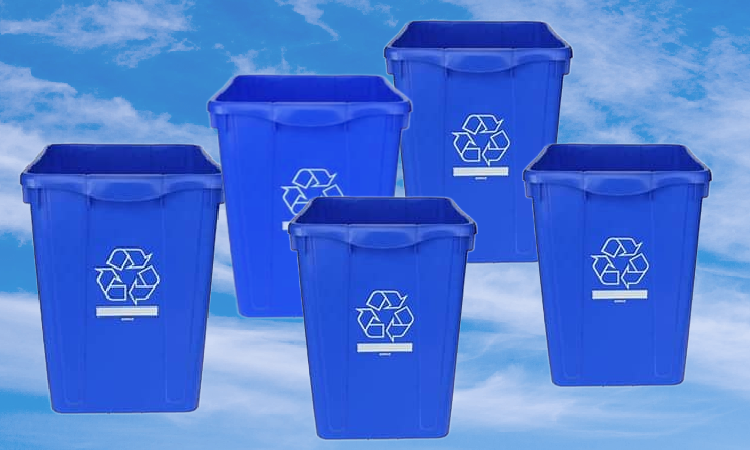
Richmond Hill’s Blue Box program is getting a few updates as of January 1st, 2026. Nothing dramatic, but there are some changes residents should know about.
What is changing?
1. More items can go in your Blue Box
Several additional materials are now accepted, including:
- Plastic bags
- Black plastics
- Takeout coffee cups
- Styrofoam
- Toothpaste tubes
- Potato chip bags
For the full, up-to-date list of acceptable items, click HERE.
2. How recycling is collected
Recycling is now picked up by a truck dedicated solely to recycling. Previously, one truck had two compartments and collected both recycling and green bin materials.
Now, residents may see up to four different trucks on collection day — garbage, recycling, green bin, and (in season) yard waste. While the increase in trucks on the road is seen as unfortunate, it reflects how the new system operates.
3. Who to contact if there’s a pickup issue
If there are problems with recycling pickup, residents should now contact the contractor directly: Miller Waste, rather than the City.
- [email protected]
- 1-855-752-3762
What is NOT changing?
- Your recycling pickup day remains the same
- The type of container stays the same (Richmond Hill is not moving to large wheeled carts)
- There is no limit on the amount of recycling you can set out each week
It also remains very important to avoid contamination. That means:
- Rinsing containers
- Keeping garbage out of the recycling
Clean recycling increases the chance that materials can actually be recycled.
If you need a new Blue Box, they can be purchased from Miller Waste or just go to Home Depot, Canadian Tire or the like.
Why This Matters
Environmental Impact
- Less waste to landfill: Accepting more materials means fewer items end up as garbage.
- A stronger circular economy: Materials are collected, recycled, and returned to producers to be used again in new products and packaging.
- Reduced use of raw materials: Recycling lowers the demand for virgin resources and reduces environmental impacts from extraction and manufacturing.
Economic Impact
- Producers now pay: Companies that create packaging are responsible for covering recycling costs, rather than municipalities and taxpayers carrying the full burden.
- More stable funding: Recycling programs are less vulnerable to municipal budget pressures.
- Market-driven recycling: Materials are recycled where viable markets exist, helping the system adapt over time.
- Potential savings: Richmond Hill is expected to see a modest reduction in recycling costs.
Will Packaging Change Because of This?
The short answer is yes — likely, and gradually.
Because producers are now paying the costs of recycling their packaging, packaging design becomes a business decision as much as an environmental one.
Over time, this is expected to lead to:
- Simpler packaging: Fewer mixed or multi-layer materials that are difficult to recycle
- More recyclable materials: Greater use of materials that are widely accepted in recycling programs
- Increased recycled content: More bottles, containers, and boxes made with recycled materials
Some changes will happen slowly. Convenience packaging won’t disappear overnight, and certain hard-to-recycle items may remain where alternatives are limited. But overall, the system creates strong incentives for packaging that is easier — and cheaper — to recycle.
Why the Program Changed
These updates are part of a broader shift toward Extended Producer Responsibility (EPR), where the companies that create packaging are responsible for the cost of managing it at end of life.
Circular Materials a national not-for-profit producer is the responsibility organization.
Circular Materials describes its role this way:
“Committed to building effective recycling systems, we are advancing the circular economy — where materials are collected, recycled and returned to producers for use as recycled content in new products and packaging.”
Part of their work involves finding and maintaining markets for recyclable materials. Those markets change over time, and some materials are more valuable than others.